Campus & Facilities
The university's material and technical base: the information resource centre, the sports complex and the digital education technologies centre.
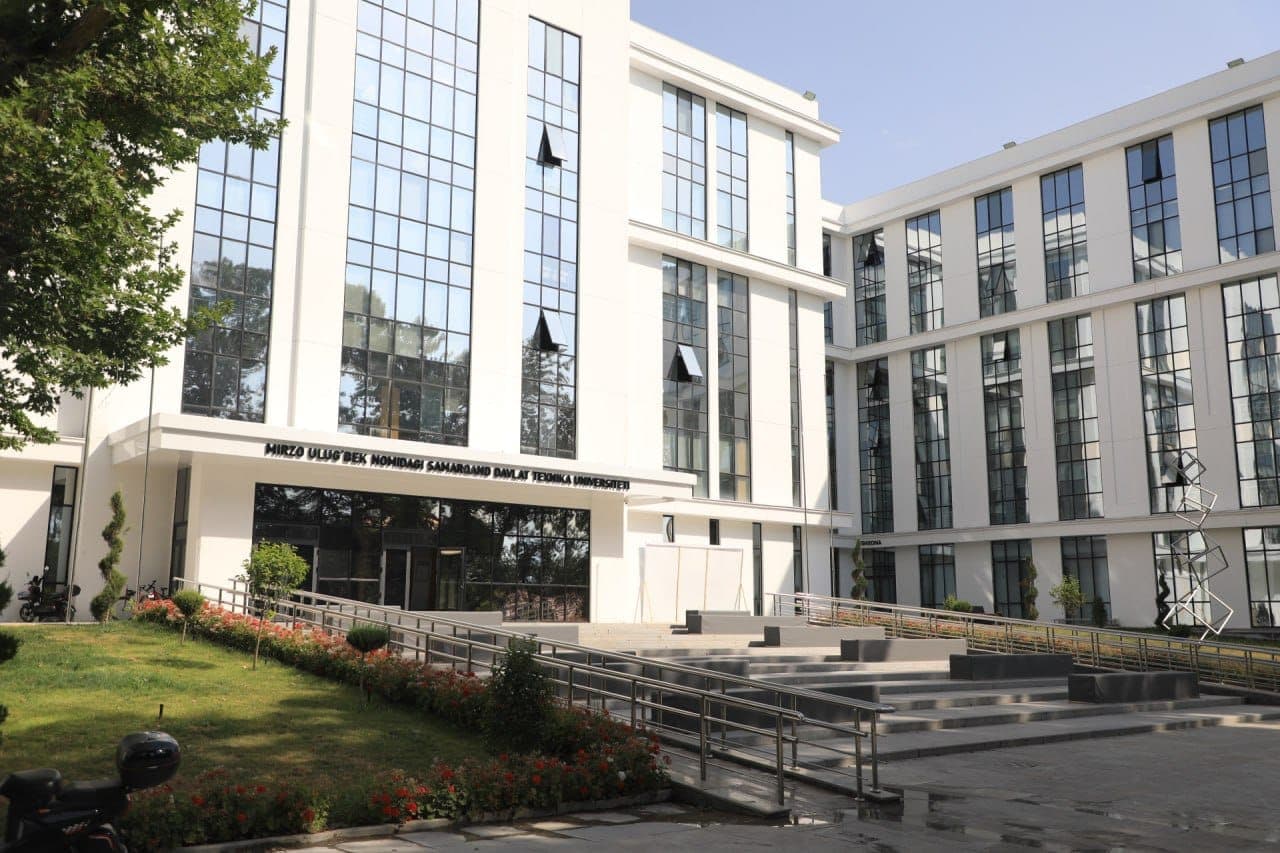
The material and technical base
For the activity laid down in its charter the university has been assigned by the state, under the right of operational management, buildings, structures and property complexes, the equipment listed in the institution's passport, and the property needed for consumption, social and cultural purposes. The land plots allotted to the university are held for indefinite free use.
Premises with heating, lighting and a water supply are set aside for the university's medical and sanitary unit and for the canteens and other catering facilities on its grounds that serve students, course participants and staff. Repairs, reconstruction and new construction of the university's buildings are financed in the manner laid down by law.
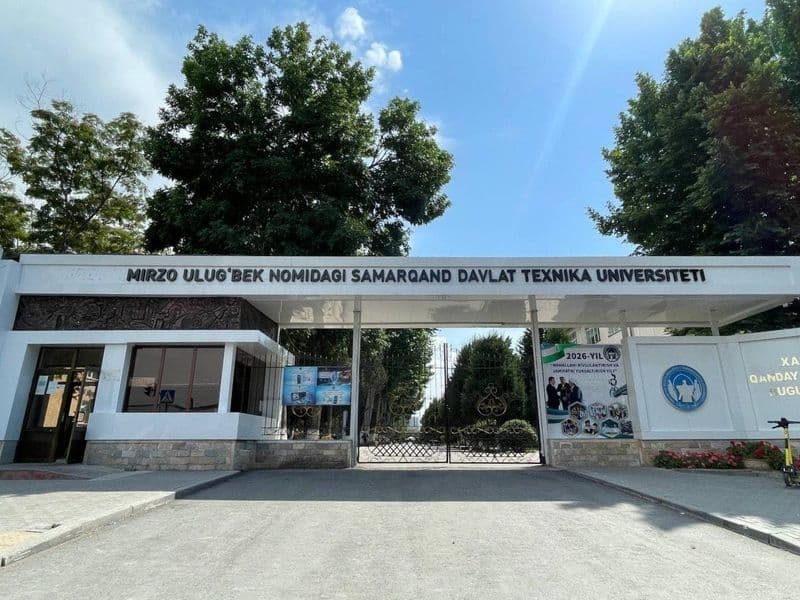
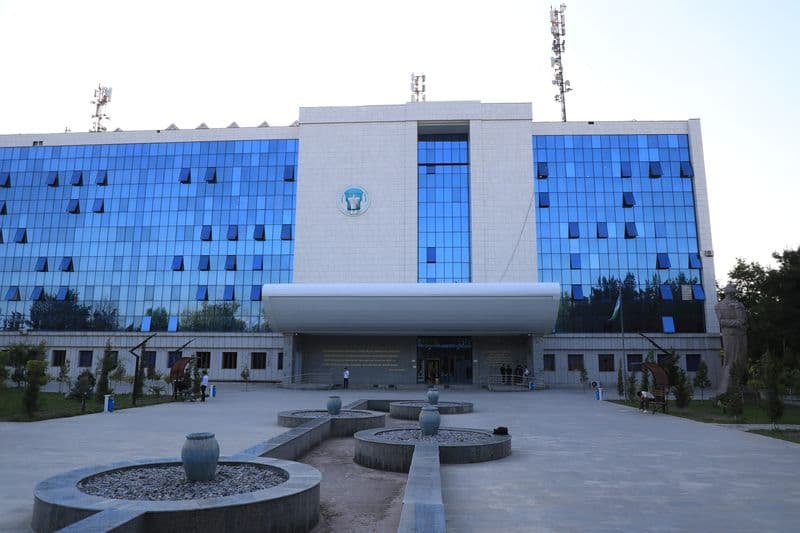
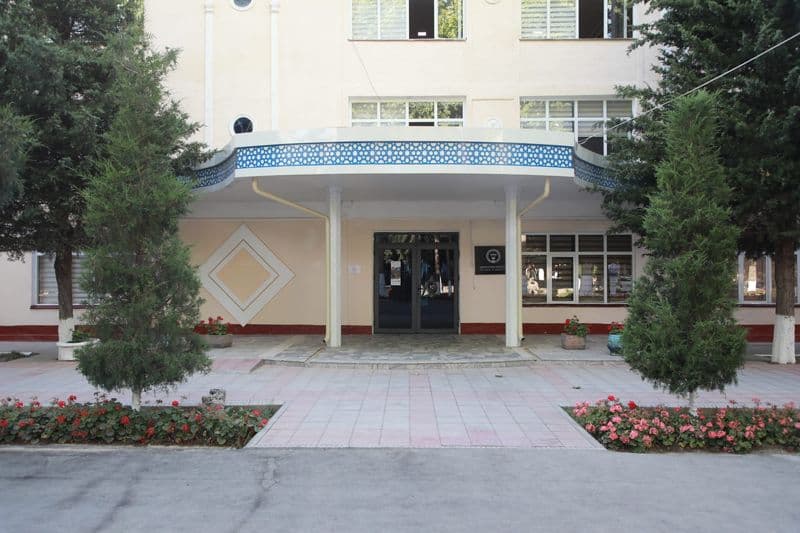
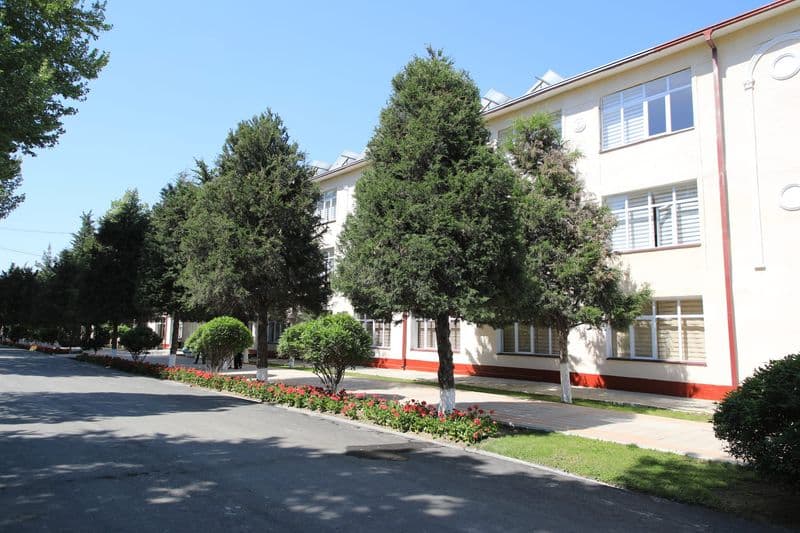
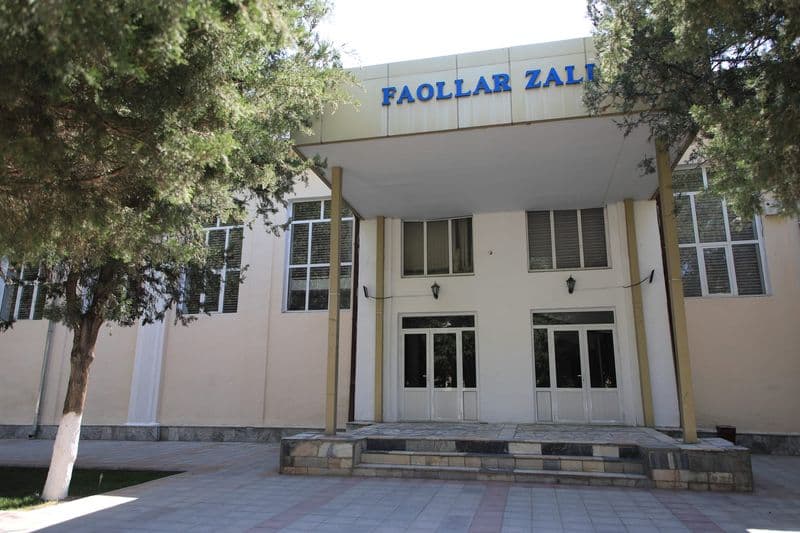
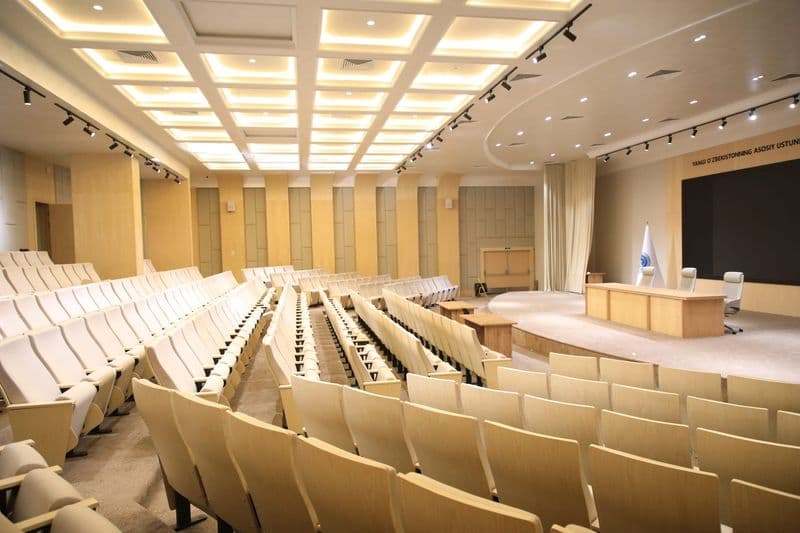
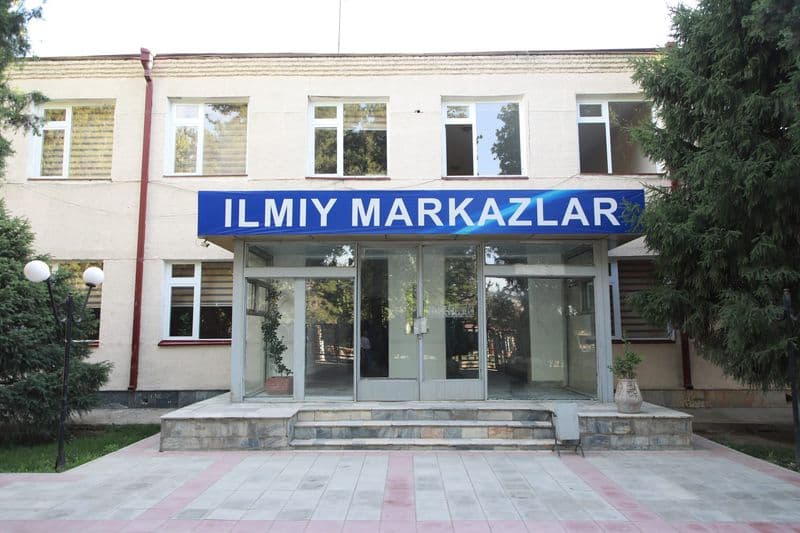
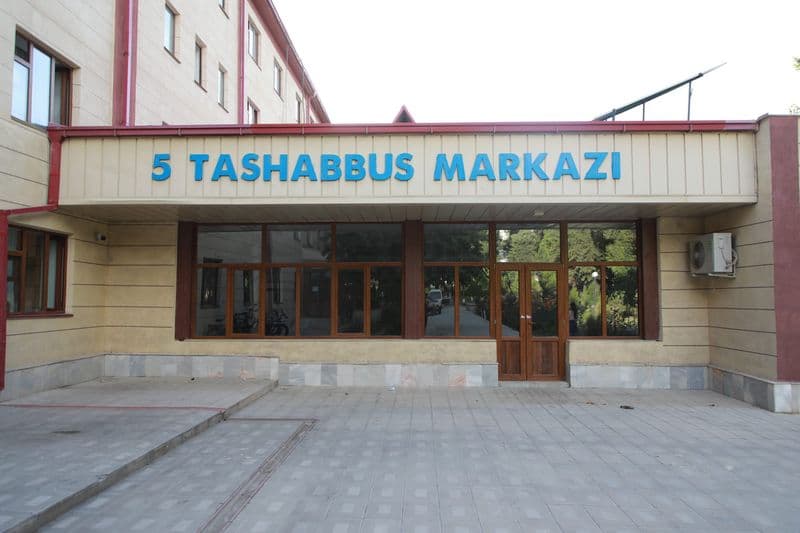
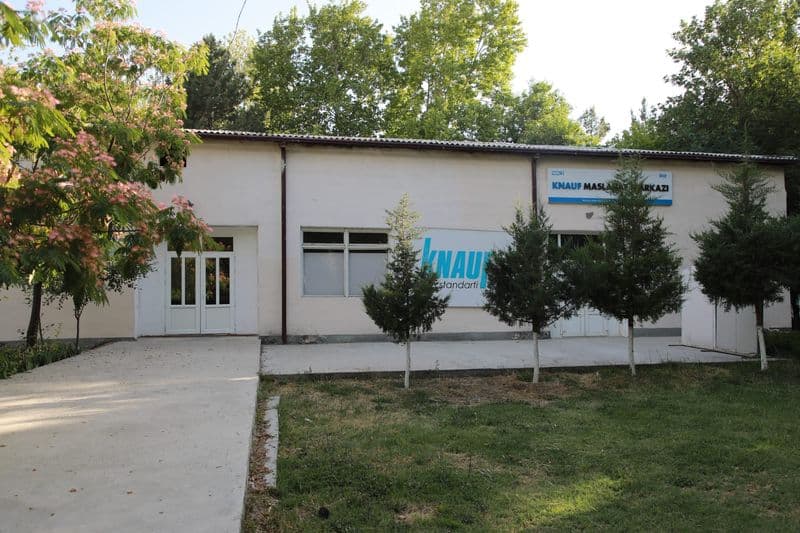
Around the campus
In numbers
Information Resource Centre
The university's Information Resource Centre was created by Resolution PQ-381 of the President of the Republic of Uzbekistan of 20 June 2006. Its work is governed by regulations approved on 9 January 2023, and it has eight members of staff.
The collection holds 400,879 items in 121,612 titles: 203,299 textbooks and study literature, 32,824 scholarly works, 52,220 works of fiction, 8,500 foreign-language items and 104,036 others, together with 258 audiobooks. A further 132,857 e-books are held on the centre's Electronic Library platform.
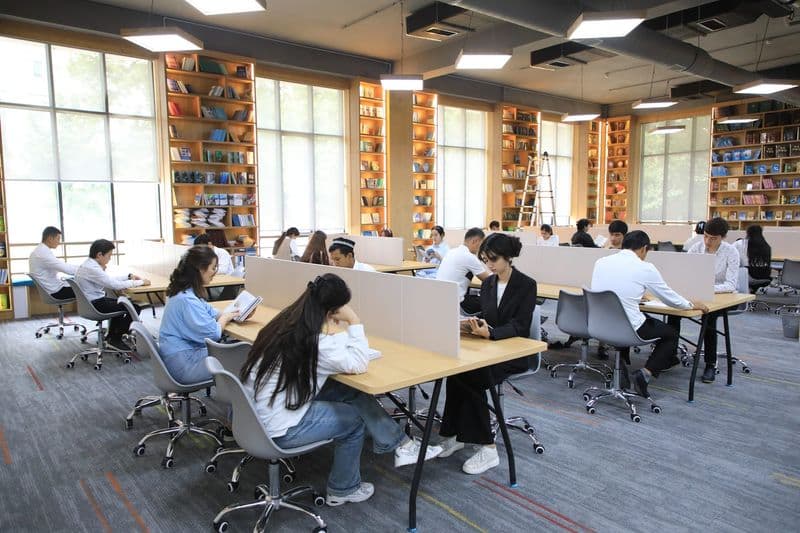
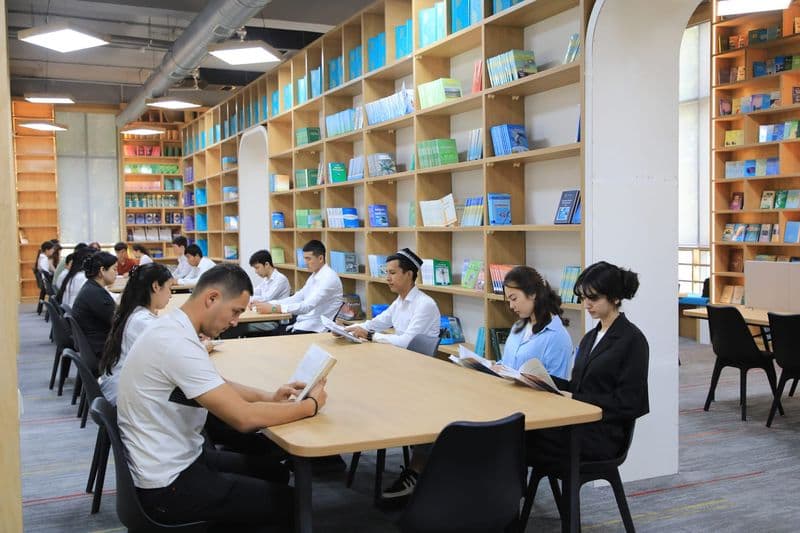
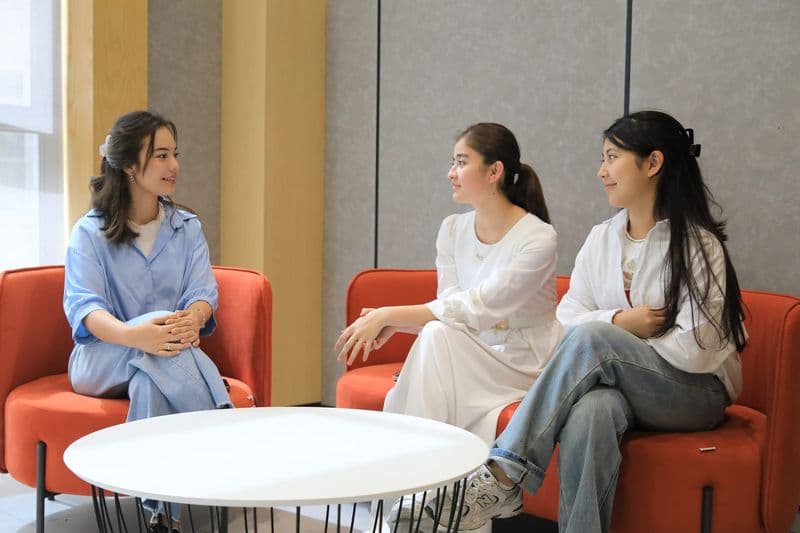
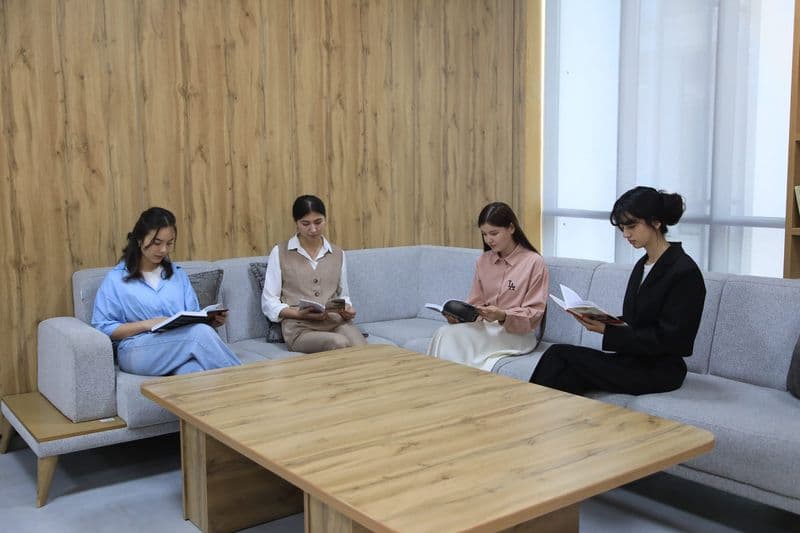
The centre has four reading rooms serving 120 people at a time, a 28-seat computer room, ten computers for staff, five scanners and five printers. After the main teaching building was refurbished it received 645 new bookcases and 17 card catalogues; every room is air-conditioned and under video surveillance. A ground-floor workstation is set up for students with disabilities. All computers are on the internet, with Wi-Fi at 600 Mbit/s.
The centre serves 348 teaching staff, 35 researchers and doctoral candidates and 5,341 bachelor's and master's students — 5,889 registered users in all — with 400 to 550 visits a day. It also serves the academic lyceum attached to the university. It is integrated with the electronic information system of the National Library of Uzbekistan, which gives readers access to world information resources, the dissertation database, video and audio books, and international newspaper and journal databases.
Since September 2024 the centre has acquired 80 textbooks, 220 study guides, 42 dictionaries, 2 monographs and 1 practical manual from the Centre for Research into the Development of Higher Education under the Ministry of Higher Education, Science and Innovation, along with 371 copies of 78 fiction titles.
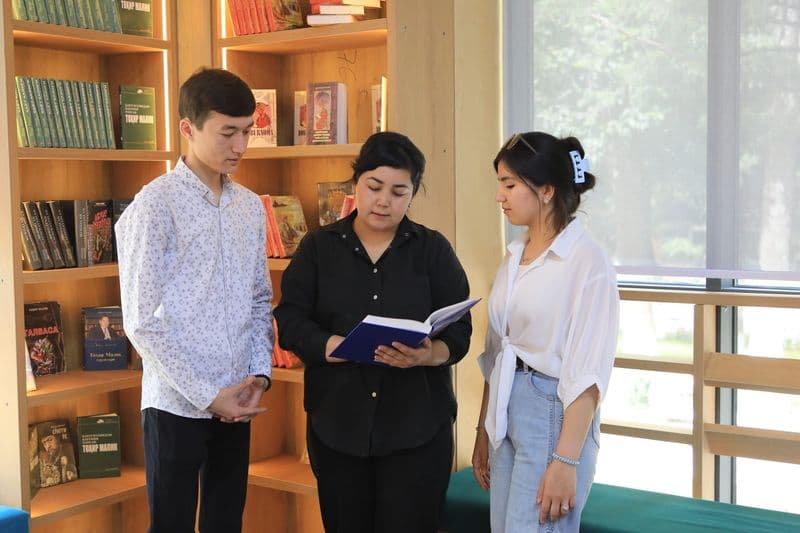
The reading rooms
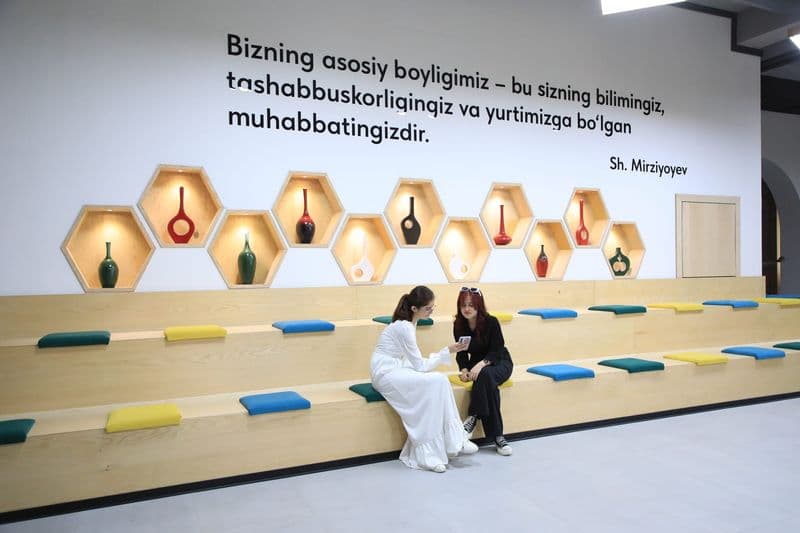
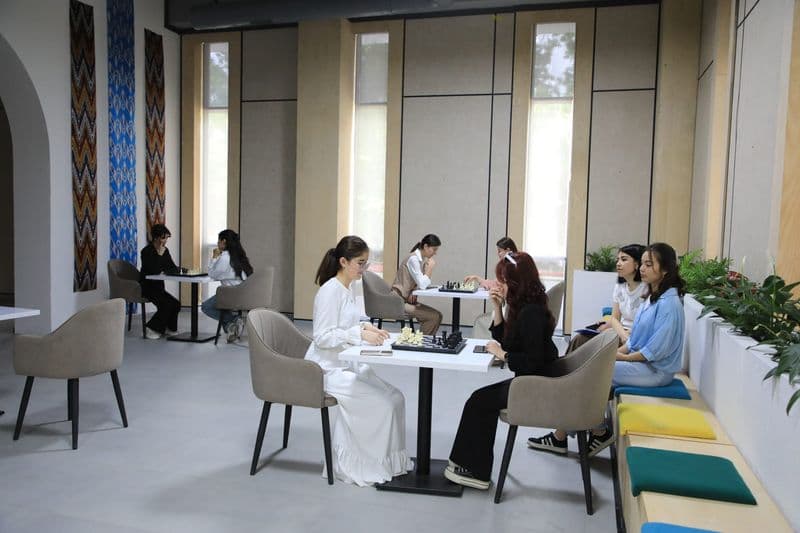
Places to meet and study
The sports complex
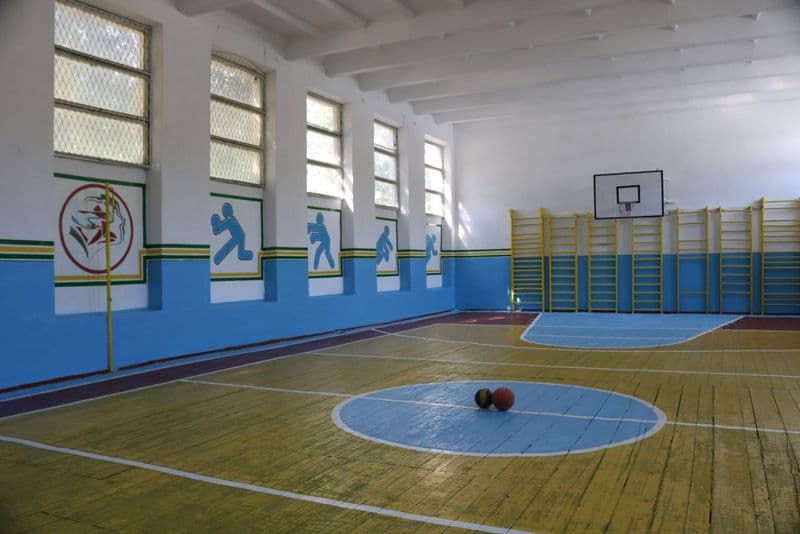
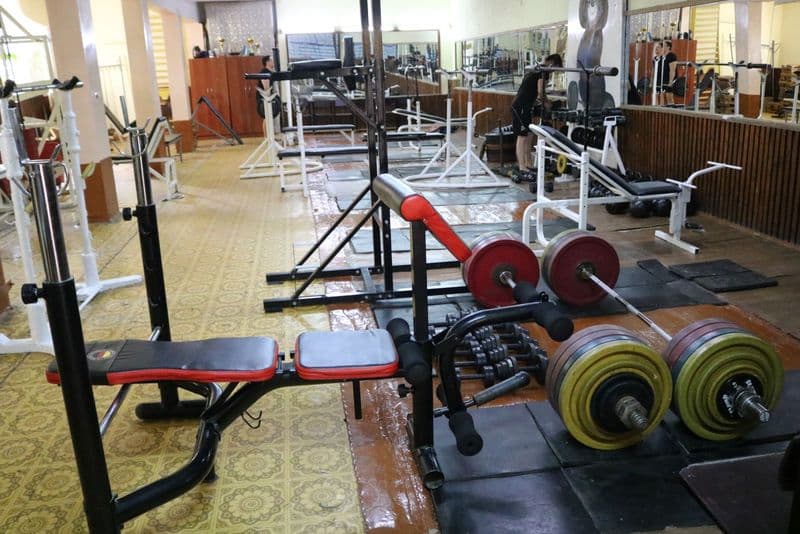
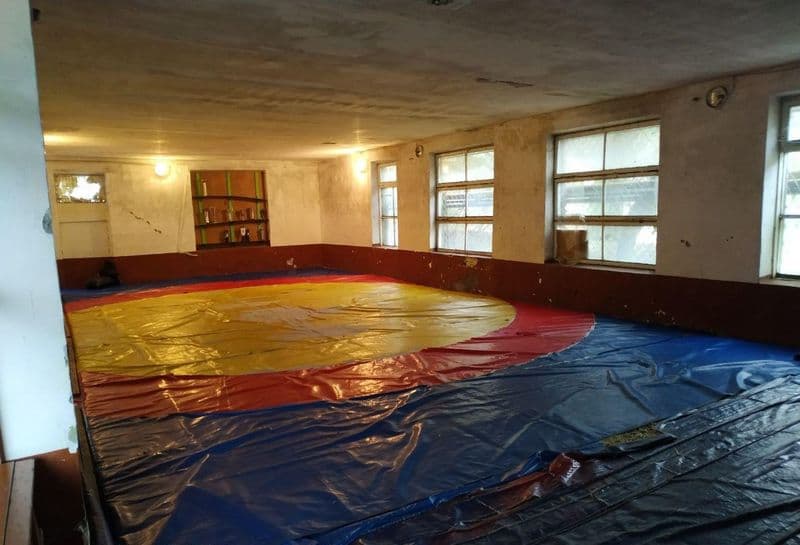
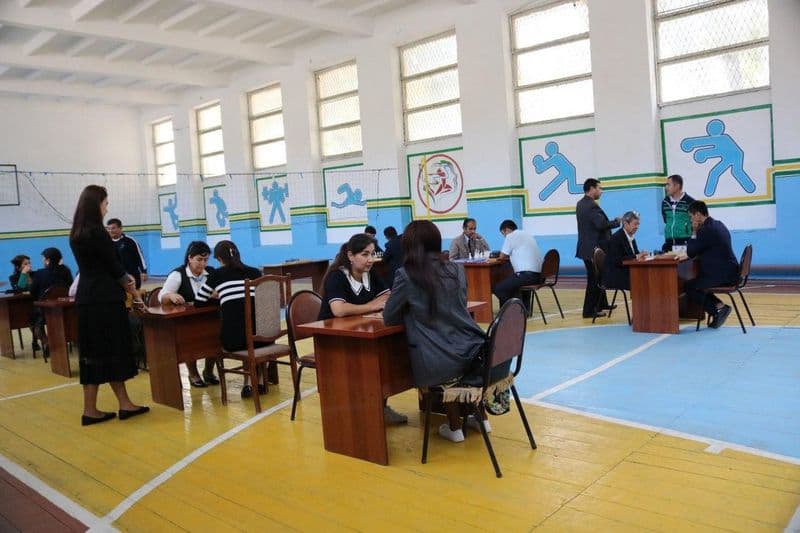
The sports complex attached to the Department of Physical Education comprises eight venues with a combined area of 3,836 m²:
- Indoor sports hall — 12×27 m, 324 m²
- Weightlifting hall — 9×18 m, 162 m²
- Wrestling and boxing hall — 14×14 m, 196 m²
- Open-air swimming pool — 12×25 m, 300 m²
- Mini-football pitch — 30×50 m, 1,500 m²
- Open-air volleyball court — 9×18 m, 162 m²
- Basketball court — 28×14 m, 392 m²
- Handball court — 20×40 m, 800 m²
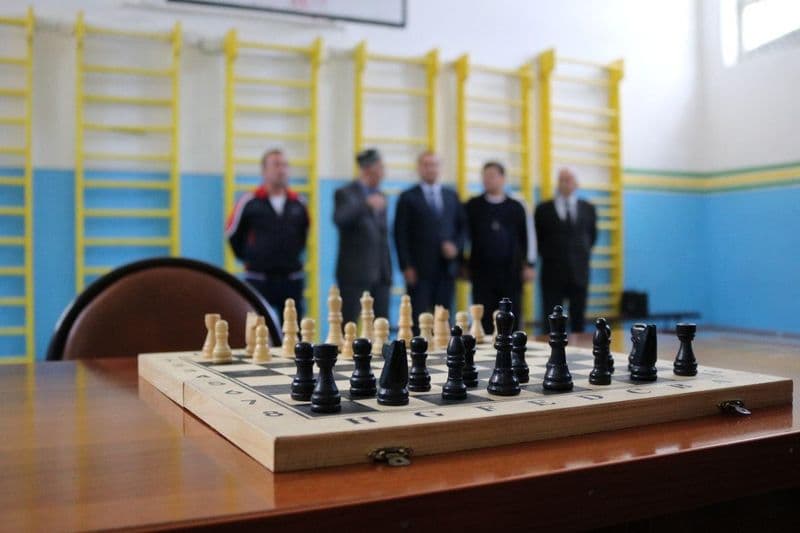
The department runs more than ten clubs — wrestling, table tennis, volleyball for men and for women, basketball, chess, football, stone lifting and weightlifting — and a fitness group for teaching staff. The large sports hall, the wrestling and stone-lifting halls and the open-air complex are all open to students.
The department's coaches have trained more than 5,150 athletes of the mass categories, over 2,100 first-category athletes, 320 candidate masters of sport, 36 masters of sport and 3 masters of sport of international class. The university's handball team has been champion of Uzbekistan six times.
The sports facilities
Digital Education Technologies Centre
The centre works on bringing information technology into teaching, applying new information technologies and research results to education, and developing distance learning. It plans its own development around the software and multimedia products it creates and the services it provides. Its lines of work are:
- Applying information technology and multimedia systems in higher education and research
- Developing distance learning, its didactic and methodological support, and electronic versions of lectures
- Maintaining information links with organisations, research institutes, enterprises and universities at home and abroad
- Internet and e-mail services and subject-based information searches
- Servicing, repairing and upgrading computing equipment
- Designing, commissioning and configuring information and computer networks and systems
- Creating and deploying software for collecting and processing data
- Teaching students, master's students, researchers and staff to use computing and the internet
- Organising seminars, conferences, exhibitions and fairs
Heads of the centres