
Guide for International Students
For applicants and exchange students coming to SDTU from abroad: the admission steps, visas and registration, fees, the services available while you study, and whom to contact.
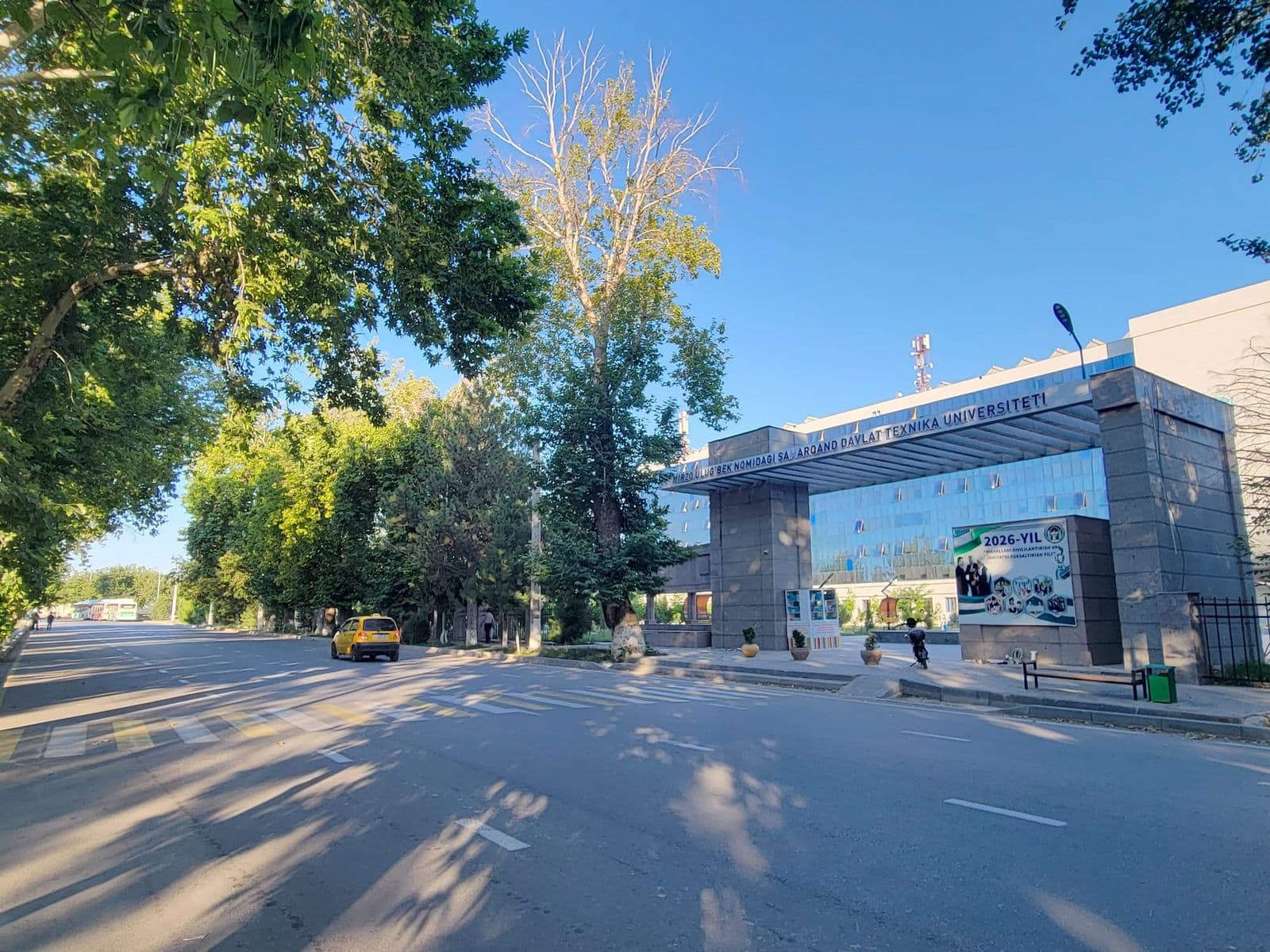
International students at SDTU
The university admits citizens of other countries as students and, under memoranda signed with partner universities, hosts international students on academic mobility programmes for a semester or a shorter stay. Applicants and students from abroad are looked after by the Registrar's Office and the International Relations Office.
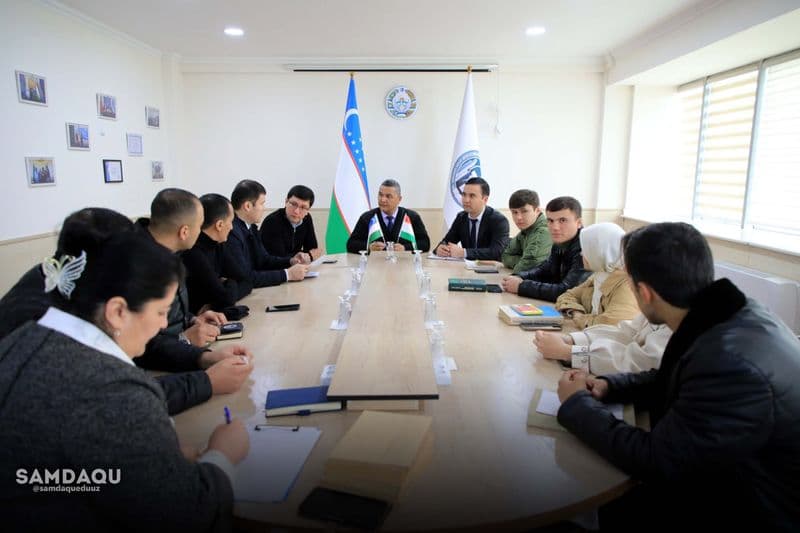
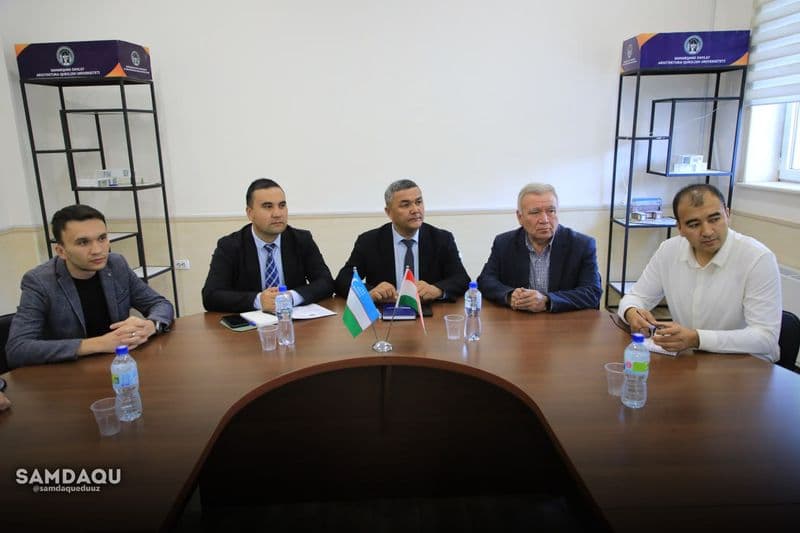
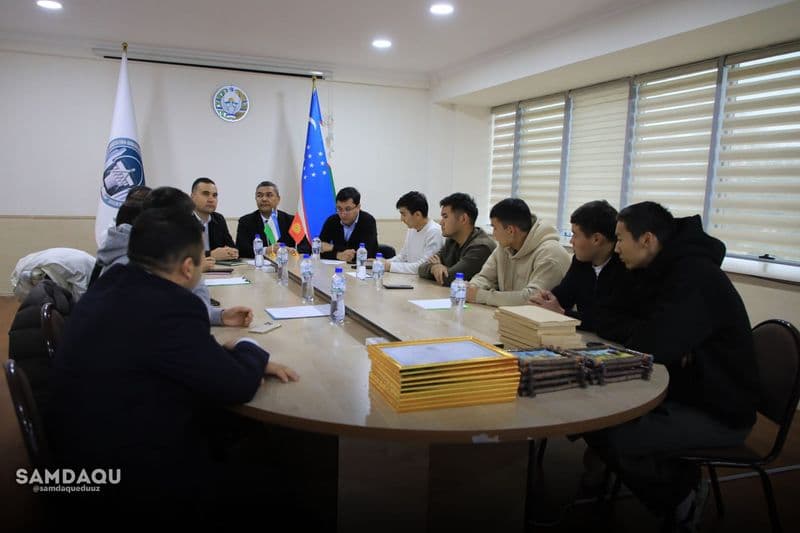
On 5 March 2025 five students of the Tajik Technical University named after M. Osimi arrived to spend their spring semester at SDTU. From 1 to 10 December 2025, students of Geodesy and Remote Sensing at the Kyrgyz State Technical University named after I. Razzakov studied at the university on an academic mobility programme and were presented with certificates at a meeting with its leadership.
The university meets its international students regularly to talk about settling in, the university's rules, and any problems or suggestions they have. In September 2025 the parents of applicants from Tajikistan visited the university to see its teaching buildings and student residences.
SDTU for international students at a glance
Programmes and tuition fees
The full-time programmes open to applicants from abroad, with the fee for one academic year. Every programme is offered in English, Russian and Uzbek.
Bachelor's degree
4 years · full-time| Programme | Per year |
|---|---|
| Civil Engineering | US$600 |
| Electrical Engineering | US$600 |
| Environmental Engineering | US$600 |
| Labour Protection and Technical Safety | US$600 |
| Value Engineering and Real Estate Management | US$600 |
| Architecture | US$700 |
| Design: Interior Design | US$700 |
| Design: Landscape Design | US$700 |
| Preservation of Cultural Heritage Objects | US$700 |
| Reconstruction and Restoration of Architectural Monuments | US$700 |
| Urban Construction and Design | US$700 |
| Business Management — BA (Hons) | US$800 |
| Economics | US$800 |
Master's degree
2 years · full-time| Programme | Per year |
|---|---|
| Engineering Communication Systems, Their Construction and InstallationJoint programme | US$900 |
| Civil Engineering | US$1,200 |
| History and Theory of Architecture | US$1,300 |
| Museology, Conservation, Restoration and Preservation of Historical and Cultural Heritage Objects | US$1,300 |
Fees as the university publishes them on Study in Uzbekistan (studyin-uzbekistan.uz), the national portal for international applicants, as of 23 September 2026. The portal also gives them in soums at 12,000 soums to the dollar (US$600 = 7,200,000 soums). The exact amount is stated in your tuition contract.
SDTU on Study in Uzbekistan →How to apply from abroad
The Registrar's Office looks after applicants from abroad: it advises you, receives your documents and handles the formalities until you start your studies.
- Get adviceContact the Registrar's Office or the admissions call centre for advice on programmes, entry conditions and the documents to submit.
- Submit your application and documentsThe Registrar's Office receives your application and the required documents for review. Programmes and entrance-exam subjects are listed on the Admission Requirements page.
- Receive your tuition contractOnce you are admitted, the Registrar's Office issues your tuition contract. Your programme's fee is in the table above; how to pay it is on the Tuition Fees & Scholarships page.
- Visa and arrivalVisa services for international students are provided by the Registrar's Office — before you travel, ask the office which procedure applies to citizens of your country.
- Register and start your studiesWhen you arrive, the office registers your temporary stay in Uzbekistan, enrols you in the university's electronic system and assigns you to your courses.
While you study
The Registrar's Office keeps supporting international students throughout their studies:
- A certificate of study in English
- Information on international grants and academic mobility programmes
- Help applying for a place in the student residence
- Help getting medical insurance
- Statements of your GPA, exam results and academic progress
- Appeals against exam results
The student residences
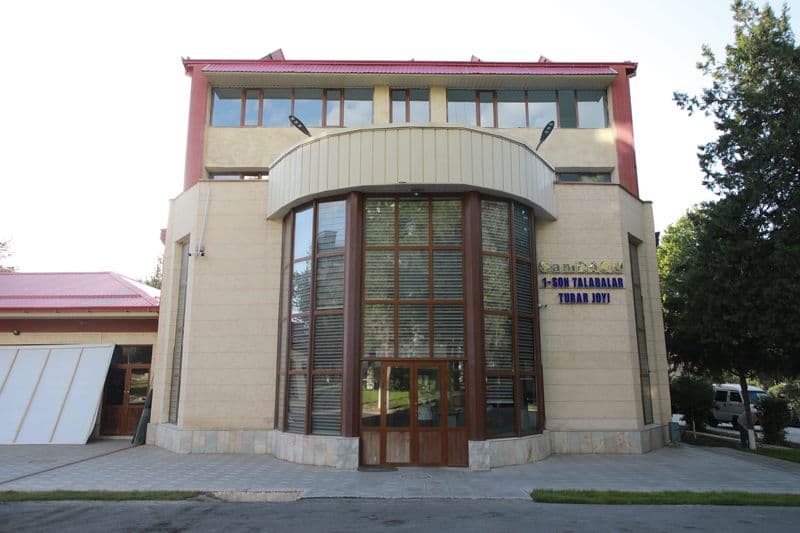
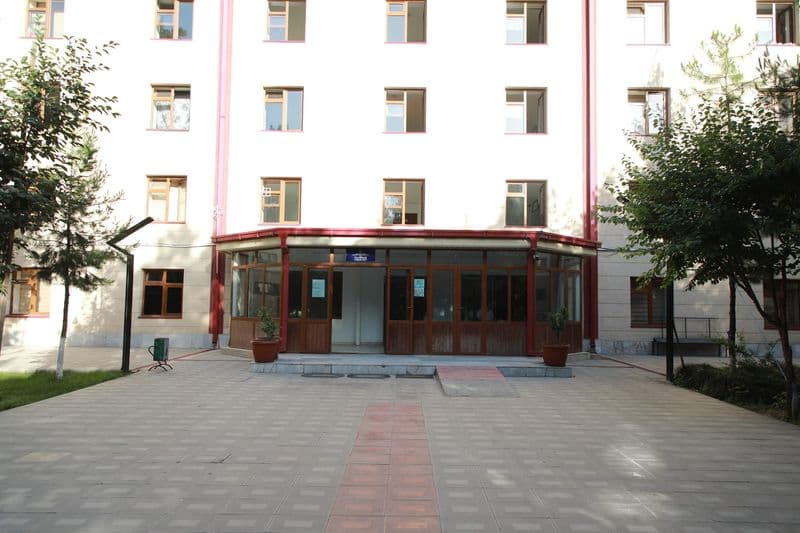
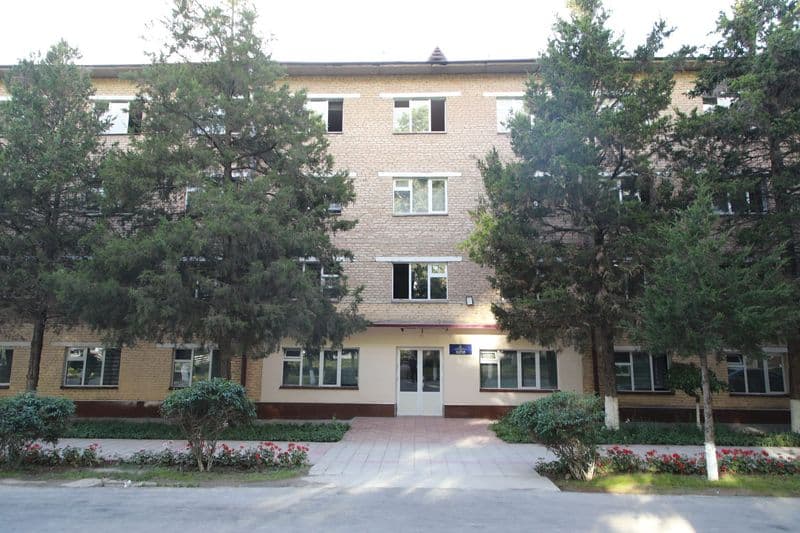
Living in the dormitory
Is there a separate dormitory for international students?
No. International students live together with Uzbek students, which helps them settle into Uzbek culture, get to know university and city life, and improve their language skills. The dormitories are corridor-type or block-type buildings with shared bathrooms and kitchens on each floor, and all of them have been renovated.
How far are the dormitories from the teaching buildings?
All the dormitories are on the university campus.
How many people share a room?
Students live in rooms for two or three.
Where are the showers and toilets?
Inside the dormitory building, on every floor, shared by the students who live there.
Is there a kitchen, and is it equipped?
Yes. The shared kitchen has electric stoves, refrigerators and what you need to cook and store food. It is used according to the dormitory rules.
What does the university provide when you move in?
A bed, a wardrobe, a desk and a chair, plus a mattress, a blanket, a pillow and bed linen.
Is there Wi-Fi?
Yes, free of charge. Students sign in with their own login and password.
What else is in the building?
Every building has a free laundry, study rooms and recreation rooms.
How much does a dormitory place cost?
About 300,000 soums a month on average, depending on the type of accommodation.
What is near the dormitories?
The university's buildings, a youth park, a polyclinic, a sports hall, the National Library and educational centres.
Language courses
At Lingora, the university's own educational centre, local and international students can learn English, German, Chinese, Turkish, Japanese, Russian, Arabic, Korean and French, taught with modern methods.
Useful pages
News about our international students

Contacts
Contacting us from abroad? Call the Registrar's Office first, or write to the university's official e-mail address.